Automastoras
Category:
Web Design & App Design
Client:
Algorithm S.A.
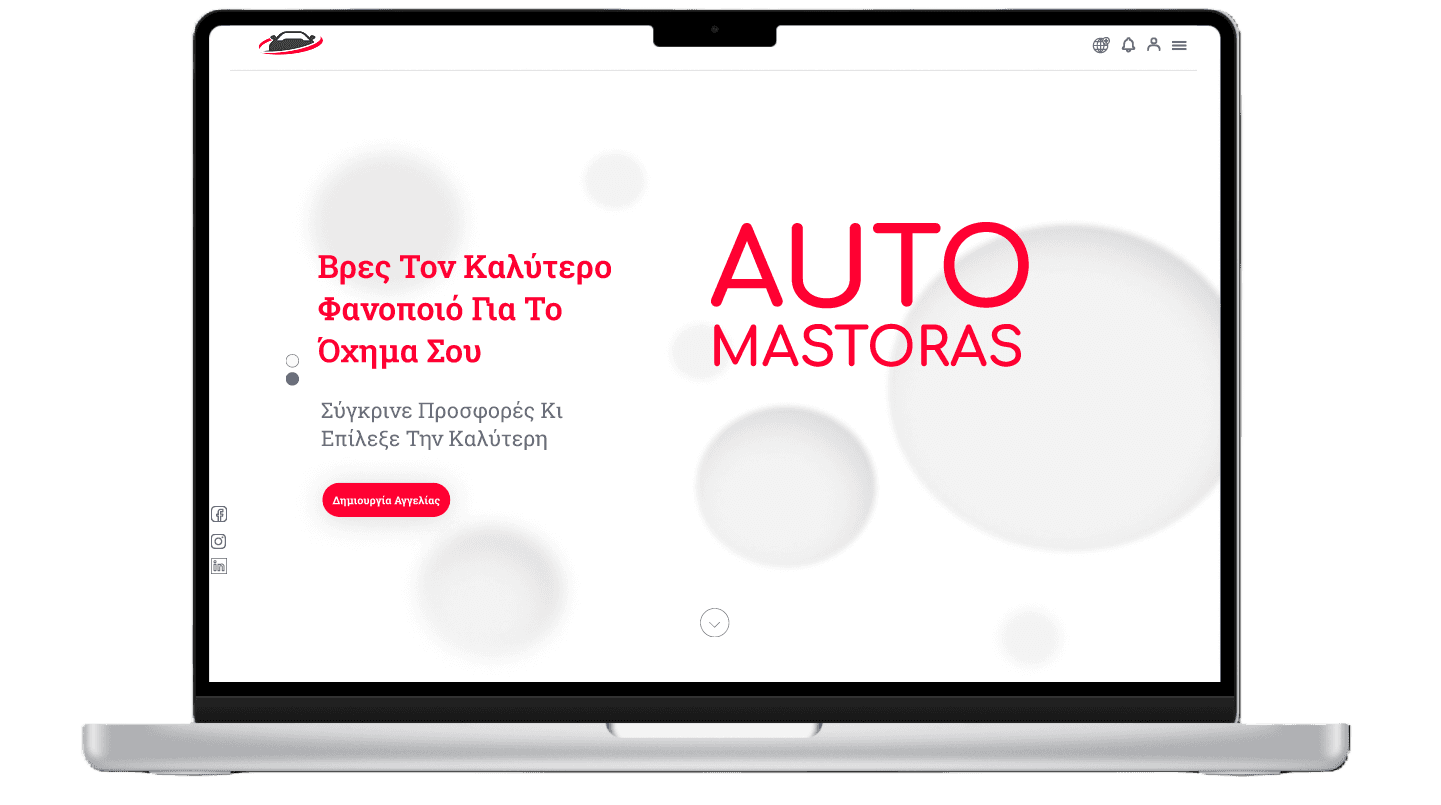
Automastoras was envisioned as an innovative digital platform designed to connect car owners with automotive professionals, such as body shop specialists and car painters, streamlining the process of finding and booking the right professionals for car repairs. The goal was to eliminate communication barriers and create a seamless, user-friendly experience where users could easily post jobs, receive bids, and engage with skilled technicians.
Despite significant progress in the design and planning phase, the project was ultimately dropped altogether due to financial constraints for its realization from the client’s side. However, this case study highlights the research, design approach, and challenges faced during the development process.
(MY APPROACH)
To better understand user needs and market gaps, I conducted extensive research, including:
User Interviews
I interviewed car owners and professionals to gather insights into their frustrations and expectations. Key takeaways included:
Users wanted a quick and straightforward way to compare service providers.
Professionals required a system to display their expertise and customer reviews.
Trust was a major concern, with users hesitant to hire professionals without transparent pricing.
Competitive Analysis
I analyzed existing car service platforms and classified their strengths and weaknesses. This helped in identifying essential features that Automastoras needed to include, such as:
Verified professional profiles.
A user-friendly bid comparison system.
A streamlined appointment scheduling feature.
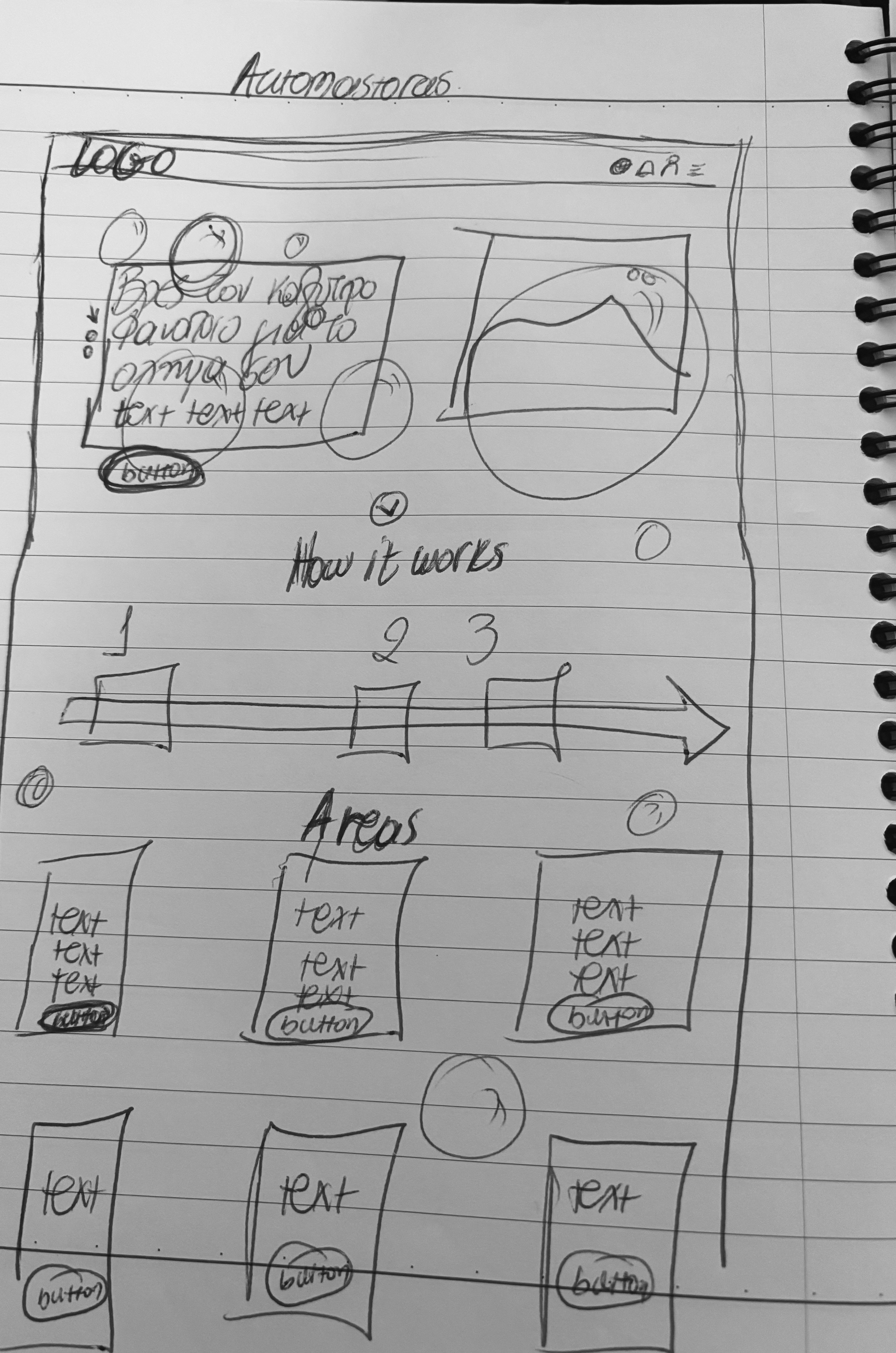
Wireframes & Prototyping
I created low-fidelity wireframes to map out the essential user flows:
Car Owner Flow: Create an ad, receive bids, compare professionals, and book a service.
Professional Flow: Browse job listings, submit offers, communicate with customers, and manage bookings.
These wireframes were then refined into high-fidelity prototypes, incorporating:
A structured homepage with clear CTAs for both user types.
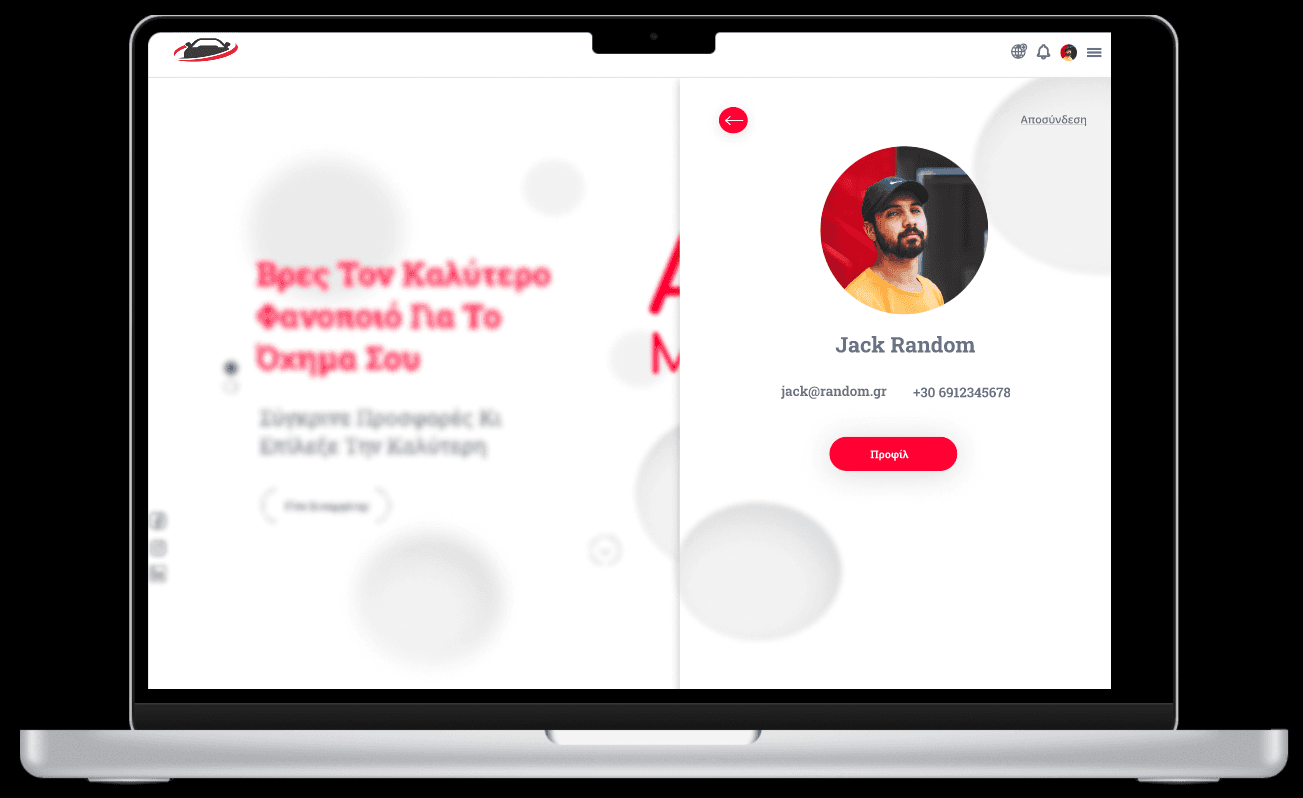
Profile pages for professionals, displaying reviews, services, and pricing.
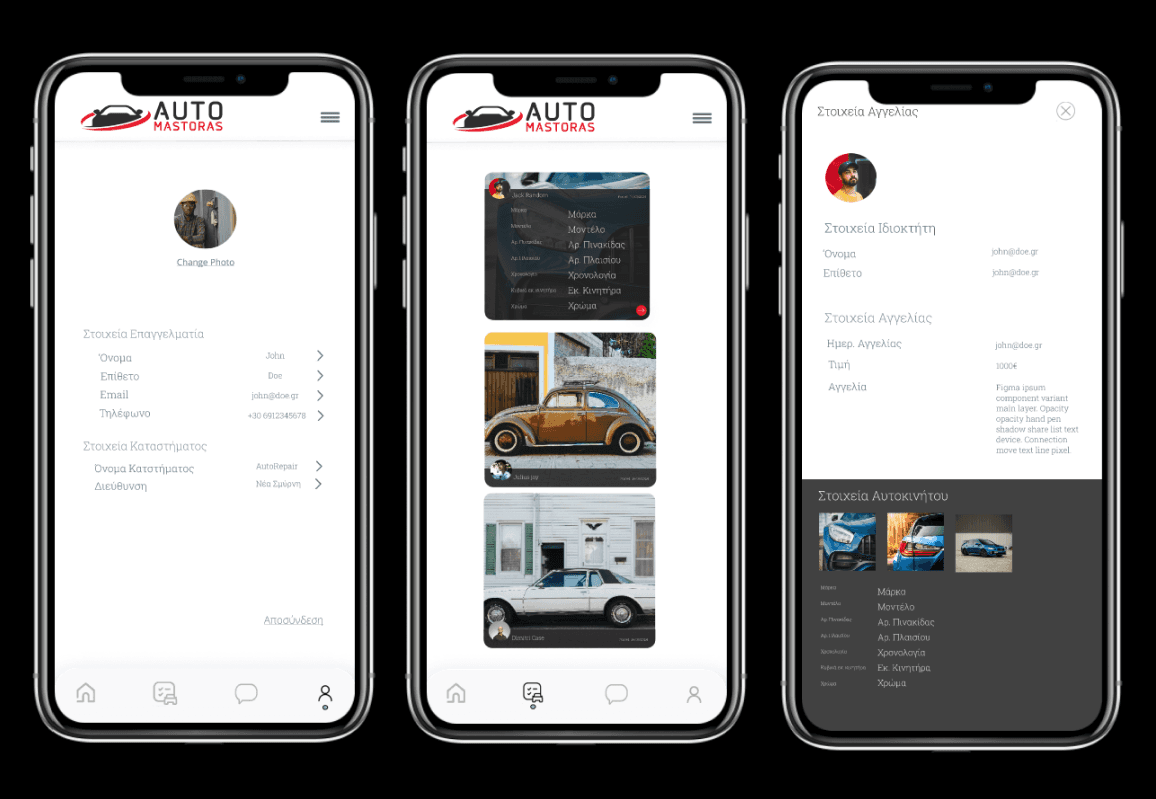
An interactive dashboard for managing jobs and bids.
(VISION & INNOVATION)
To create a user-centric platform, my approach focused on:
Clear navigation: Designing an intuitive layout that easily guides users to post jobs or find professionals.
Engaging UI: A clean, professional design with trust-building elements such as testimonials and certifications.
Optimized onboarding: Ensuring that both car owners and professionals could quickly create their profiles and get started.
Seamless communication: Integrating a messaging system for transparent and efficient discussions between users.
(CHALLENGES)
Several key challenges had to be addressed during the UX/UI design process:
Dual user paths: Designing an interface that caters to both car owners and professionals, ensuring a smooth experience for both.
Balancing simplicity with functionality: Making the platform easy to use, especially for older users unfamiliar with digital tools.
Ensuring transparency: Providing clear cost estimates and verified reviews to build trust between users.
Incorporating an intuitive ad creation flow: Allowing car owners to post repair requests quickly without unnecessary complexity.
Visual identity: Integrating the client’s existing branding into a fresh, modern, and approachable design.
(PROBLEMS)
The automotive repair industry, particularly in Greece, heavily relies on outdated communication methods, such as direct phone calls and business listings with limited details. This creates several challenges for both car owners and professionals:
Lack of a centralized platform: No streamlined way for car owners to compare professionals and their services efficiently.
Communication gaps: Difficulty in obtaining quotes, verifying expertise, and scheduling appointments.
Unstructured bidding system: No clear method for receiving competitive offers and ensuring fair pricing.
Limited digital presence for professionals: Many car specialists lack an accessible online portfolio or platform to showcase their work and customer reviews.
The proposed solution was to create a web-based platform that would enable seamless interaction, provide price transparency, and help users make informed decisions.
(USER-CENTRIC DESIGN)
The foundation of my design approach was a deep commitment to user-centric principles. This meant prioritizing:
Accessibility & Ease of Use: Ensuring that even users unfamiliar with digital tools could navigate the platform effortlessly.
Seamless Interaction: Reducing friction in communication between car owners and professionals to create a more intuitive experience.
Trust & Reliability: Displaying verified profiles, user reviews, and clear pricing details to foster confidence in the platform.
Optimized Information Flow: Structuring the user journey to ensure that both car owners and professionals could quickly find relevant information and take action without confusion.
By incorporating these principles, the design aimed to create an intuitive and engaging experience for all users.
(USER NEEDS)
Through extensive research and user interviews, I identified the following key user needs:
Effortless Job Posting: Car owners needed a simple and guided process to create repair ads without excessive form-filling or confusion.
Easy Bid Comparison: Users wanted a straightforward way to compare different professionals based on price, location, and customer reviews.
Trust & Transparency: Professionals needed a way to showcase their credentials, past work, and customer feedback to attract more clients.
Clear Communication Channels: A built-in messaging system was essential to facilitate smooth discussions between users without requiring external communication apps.
Mobile Accessibility: Many users preferred accessing the platform on mobile devices, making responsive design a crucial element.
Addressing these needs helped shape a design that was not only functional but also user-friendly and engaging.