Oli Oli Fashion Project
Category:
Web Design
Client:
Oli Oli Fashion Project
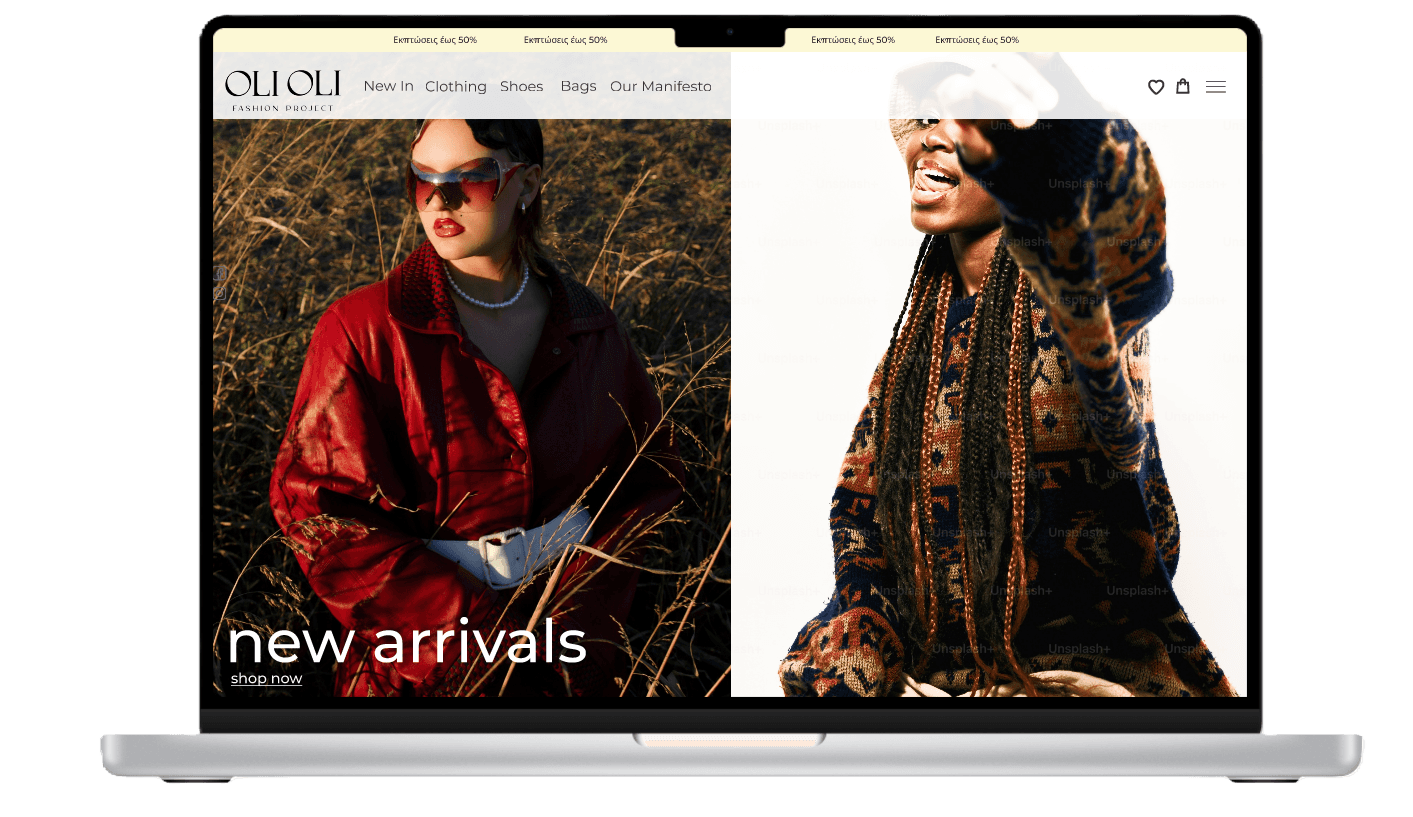
Oli Oli Fashion Project is a fashion store that brings aesthetics and vitality to its clothing and shopping experience. The store thrives on the dynamic and fun personality of its owner, who fosters close relationships with customers. However, its previous website failed to capture this essence, resulting in a decrease in user engagement and online sales. The website lacked an intuitive structure, engaging visuals, and a secure shopping experience, which discouraged users from completing purchases.
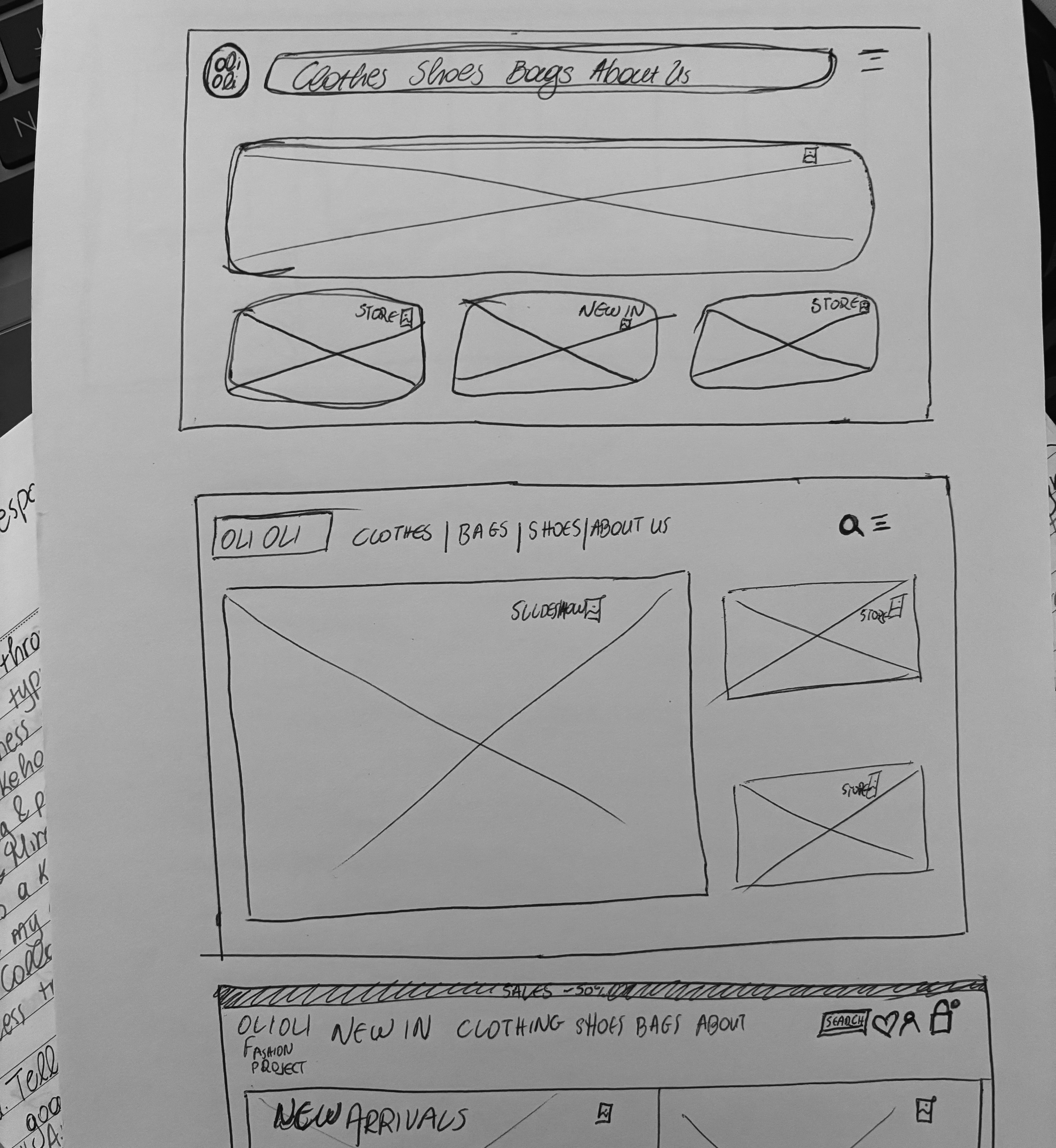
This case study outlines my UX/UI design approach to revamping Oli Oli Fashion Project’s digital presence, making it more engaging, user-friendly, and reflective of the brand’s vibrant personality.
(MY APPROACH)
To craft an effective solution, I conducted in-depth research:
User Interviews
I interviewed customers from diverse backgrounds to gather insights into their shopping habits and expectations. Key findings included:
Users preferred an engaging and visually immersive shopping experience.
Customers valued seamless navigation and easy checkout processes.
Many shoppers wanted to feel connected to the brand through live updates and social media.
Competitive Analysis
I analyzed industry-leading fashion e-commerce sites to identify best practices. The research highlighted the importance of:
High-quality visuals and storytelling elements.
User-friendly navigation and search filters.
Social media and community-driven engagement features.
(VISION & INNOVATION)
Based on my research, I developed a strategy that focused on:
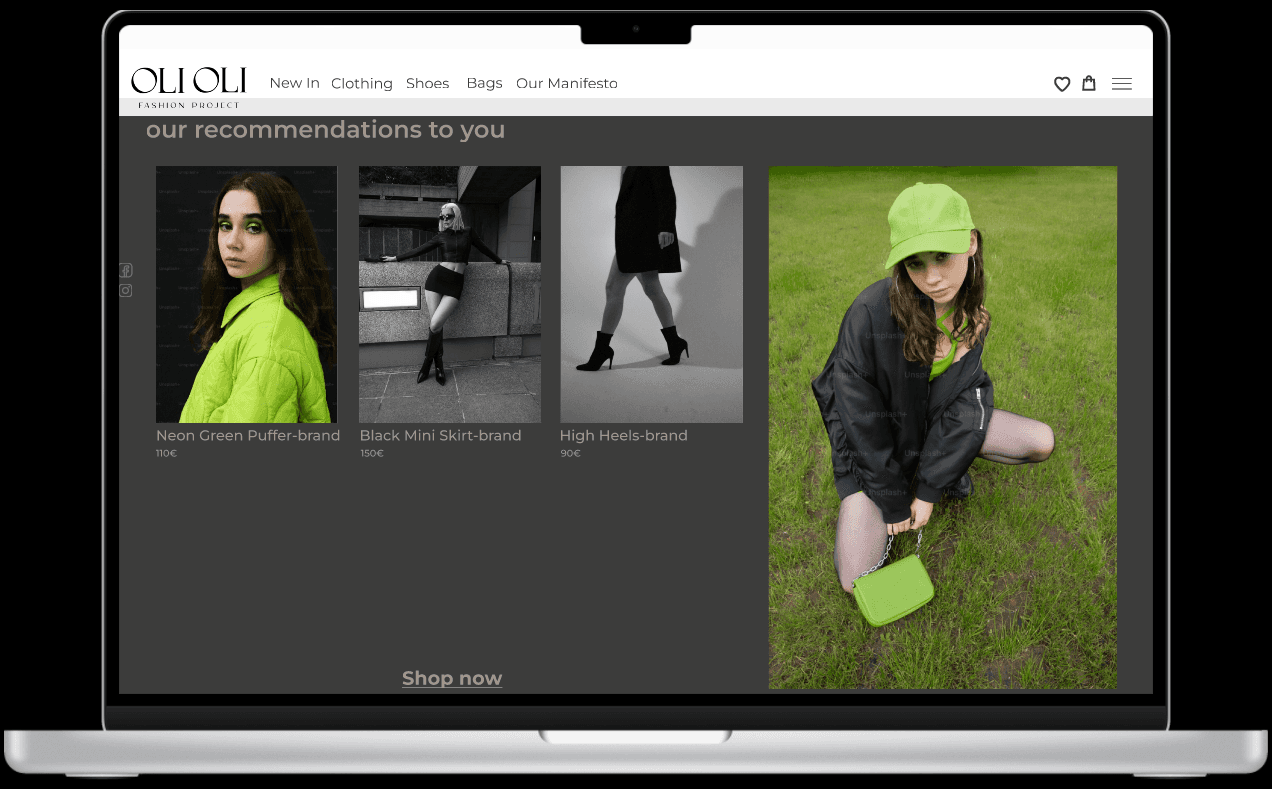
Aesthetic Innovation: Incorporating a futuristic yet elegant design that aligns with the brand’s identity.
User Flow Optimization: Streamlining navigation and checkout to minimize friction.
Trust & Security Enhancements: Adding clear payment security indicators and customer reviews.
Social Media Integration: Displaying real-time updates from the owner’s activities and customer interactions.
Mobile-First Design: Ensuring a smooth experience on smartphones and tablets.
(CHALLENGES)
During the redesign process, several key challenges needed to be addressed:
Blending Innovation & Usability: Ensuring the website felt futuristic and aesthetically unique while maintaining ease of use.
Optimizing User Flow: Structuring the platform so users could easily browse products, access product details, and complete purchases.
Building Trust & Security: Implementing secure payment options and transparent policies to reassure customers.
Integrating Social Media & Engagement: Connecting the brand’s website with its social presence to enhance customer interaction.
Mobile Adaptability: Creating a responsive experience optimized for all devices.
(PROBLEMS)
The outdated website led to several challenges for both the brand and its customers:
Difficulty in discovering products: Users struggled to browse efficiently due to poor categorization and a lack of search filters.
Lack of brand personality: The website did not reflect the dynamic, futuristic fashion choices that define the store’s unique identity.
Unclear purchasing process: The absence of seamless checkout and payment security features led to cart abandonment.
Limited engagement: The website lacked real-time interactions and social media integration, which are essential for a fashion brand with a strong community.
The redesign aimed to transform the website into a visually stunning, engaging, and highly functional e-commerce platform.
(USER-CENTRIC DESIGN)
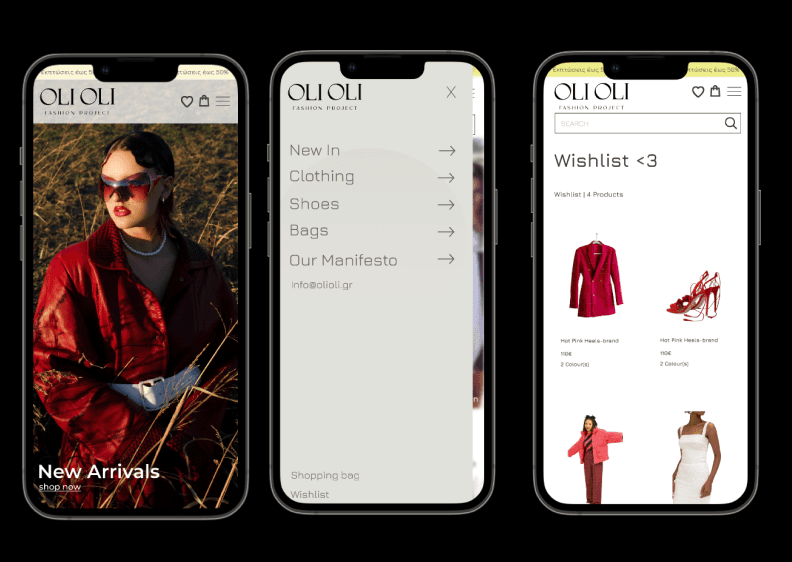
The redesign was based on user-centered design principles, prioritizing:
User Research: Conducting interviews and surveys with customers to understand their shopping behavior and preferences.
Empathy Mapping: Identifying pain points and needs to design a more intuitive shopping experience.
Accessibility & Inclusivity: Ensuring the interface was easy to use for a diverse audience.
Iterative Testing: Refining the design through user feedback and A/B testing.
By focusing on these principles, the new design delivered a more engaging and user-friendly experience.
(USER NEEDS)
The research phase revealed several core user needs that guided the redesign:
Effortless Navigation: A well-structured menu and filtering system for easier product discovery.
Trust & Security: Clearly displayed secure payment options, customer reviews, and return/exchange policies.
Immersive Shopping Experience: A visually appealing and interactive product display that reflects the brand’s creative aesthetic.
Social Connectivity: Seamless integration of social media and real-time updates from the store’s dynamic owner.
Mobile Optimization: A fully responsive design to enhance the shopping experience across all devices.
Addressing these needs transformed the website into an engaging and trustworthy e-commerce destination.